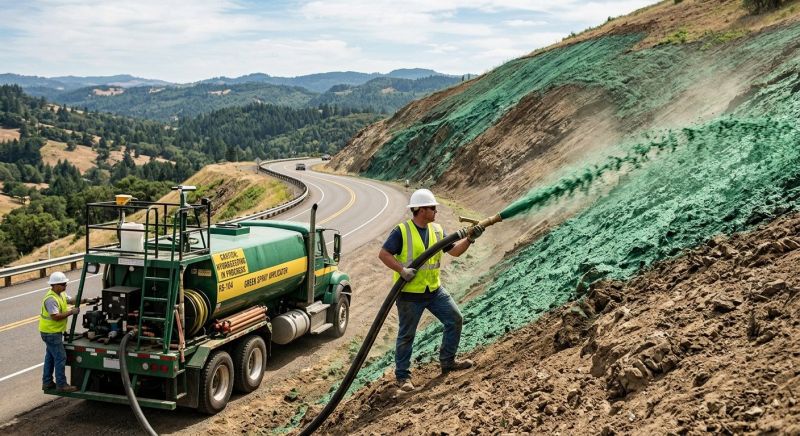
Slope Seeding in Honolulu, HI
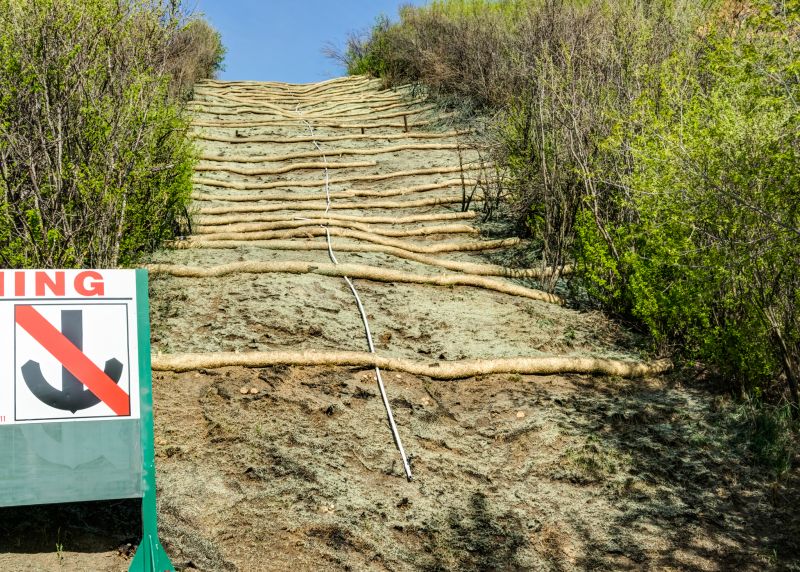
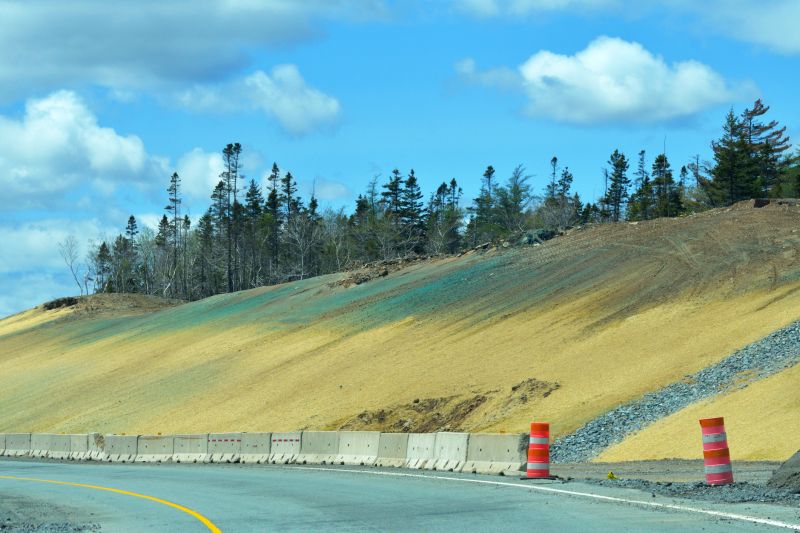
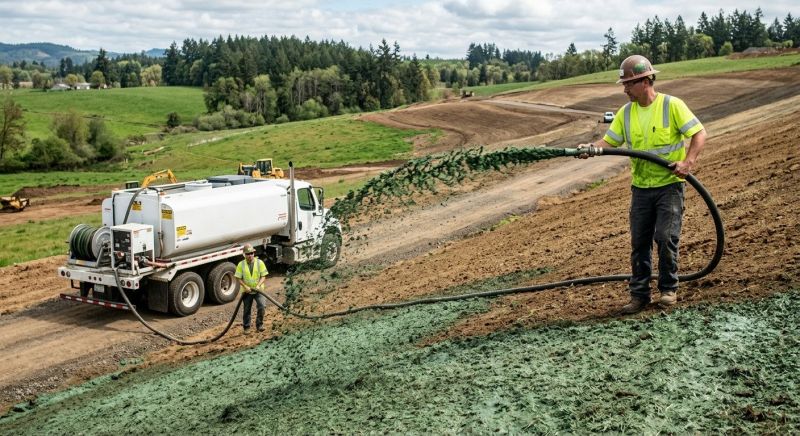
Slope seeding services involve the planting of grass or ground cover on inclined areas of a property to prevent erosion and promote a healthy, stable landscape. This service is commonly requested for projects such as hillside yards, embankments, or any sloped terrain that requires reinforcement to withstand weather conditions and foot traffic. Property owners typically seek slope seeding to improve the appearance of their landscape, reduce soil runoff, and establish a durable ground cover that can withstand the local climate and environmental factors.
Before requesting slope seeding, property owners often want to understand the type of grass or ground cover best suited for their specific slope, soil condition, and exposure to sun or shade. It’s also helpful to consider the slope’s degree and the level of maintenance required to keep the area healthy. Proper preparation of the soil, including grading and erosion control measures, may be necessary to ensure successful seeding and long-term stability of the landscape.
Many property owners in Honolulu, HI look into Slope Seeding for repairs, replacements, upgrades, and appearance-related improvements.
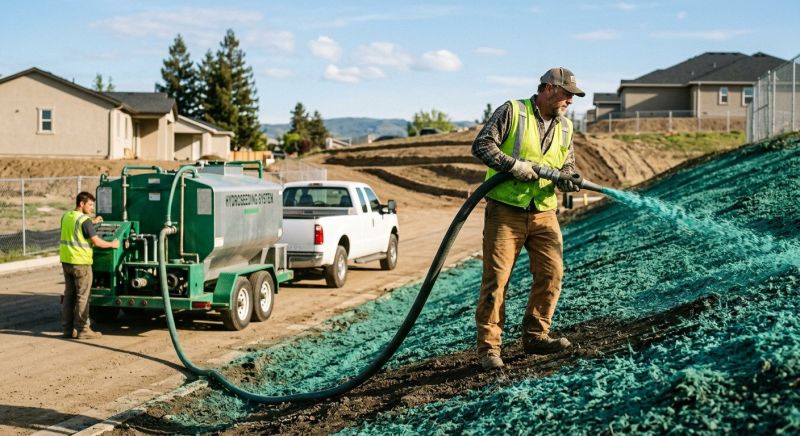
Lawn Restoration
Slope seeding helps restore damaged or eroded lawns on hilly properties in honolulu.
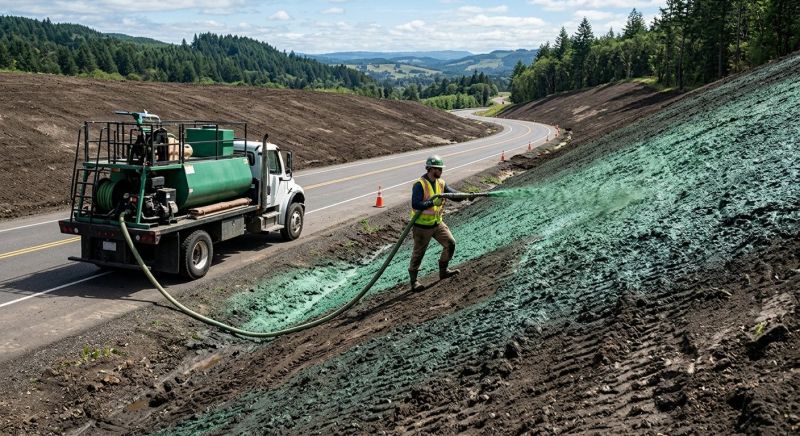
Erosion Control
Seeding slopes stabilizes soil and prevents runoff during heavy rains or storms.
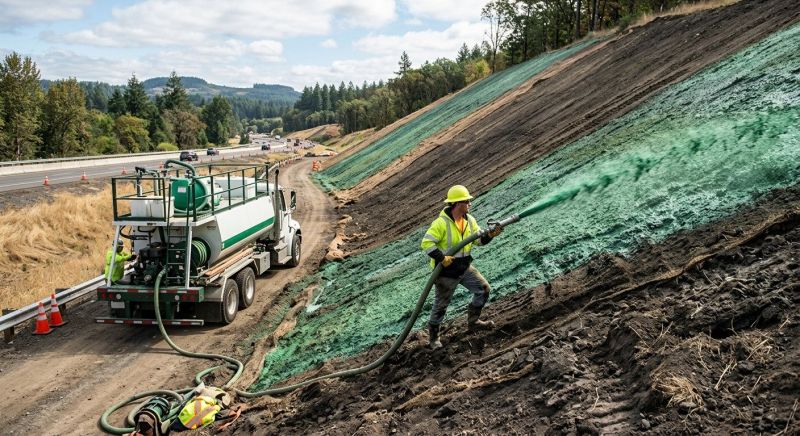
Landscape Enhancement
Proper slope seeding creates a lush, even appearance on uneven or sloped terrains.
Slope Seeding in Honolulu, HI

Slope seeding services involve the planting of grass or ground cover on inclined areas of a property to prevent erosion and promote a healthy, stable landscape. This service is commonly requested for projects such as hillside yards, embankments, or any sloped terrain that requires reinforcement to withstand weather conditions and foot traffic. Property owners typically seek slope seeding to improve the appearance of their landscape, reduce soil runoff, and establish a durable ground cover that can withstand the local climate and environmental factors.
Before requesting slope seeding, property owners often want to understand the type of grass or ground cover best suited for their specific slope, soil condition, and exposure to sun or shade. It’s also helpful to consider the slope’s degree and the level of maintenance required to keep the area healthy. Proper preparation of the soil, including grading and erosion control measures, may be necessary to ensure successful seeding and long-term stability of the landscape.
Many property owners in Honolulu, HI look into Slope Seeding for repairs, replacements, upgrades, and appearance-related improvements.
Common Slope Seeding Jobs
Slope seeding - stabilizes slopes and prevents erosion with specialized grass seed applications.
Erosion control - helps protect hillside properties from soil loss during heavy rains.
Landscape restoration - restores uneven or damaged slopes to promote healthy grass growth.
Drainage improvement - enhances water runoff management on sloped terrains.
Terracing and grading - prepares slopes for seeding by creating stable, level planting areas.
Soil preparation - ensures proper seed contact and promotes strong root development on slopes.
Slope Seeding Questions
What is slope seeding used for? Slope seeding helps stabilize soil on hillsides and prevent erosion, making it suitable for landscaping, construction, and erosion control projects.
What types of seed are recommended for slopes? Native grasses and erosion-control seed mixes are commonly used to ensure quick establishment and soil stability on slopes.
How does slope seeding improve property safety? It reduces the risk of soil erosion and landslides, helping to maintain a safe and stable landscape on hilly or sloped areas.
What should property owners consider before seeding slopes? Proper site assessment, soil preparation, and selecting the right seed mix are important for successful slope stabilization and growth.
Request Slope Seeding in Honolulu, HI
Use the quote form on this page to share the basics of your project and request more information for the type of work you need.